
Everything is Waiting for You

I chipped my front tooth this weekend. I was lying in a position that was not at all ergonomically correct in my bed, looking at my laptop propped up on pillows, I re positioned myself and the laptop smacked it into my mouth and a bit of the tooth chipped off. It'll be fine, doesn't hurt or anything.
Despite the fact that I was not noticing my posture or where the laptop was, this chip in my tooth is something that I now notice. From a moment of not noticing to constant noticing. The tooth edge is a little jagged, and it catches against my lip. My tongue kind of rests in it and I can feel it’s sharpness.
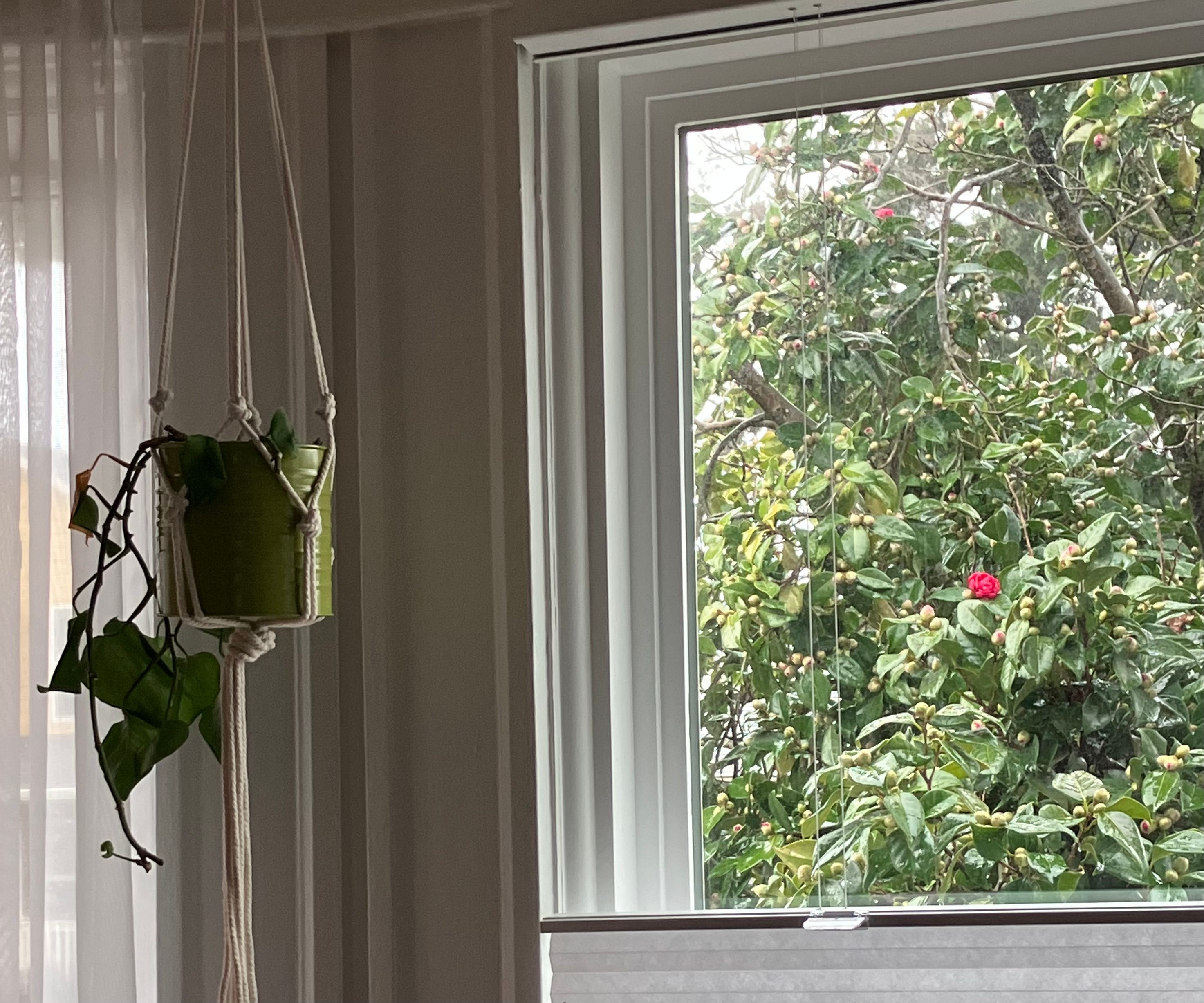
My camellia tree has one singular bloom right now. It's so striking that there's only one blot of pink in the midst of a sea of green and tight, tiny light green buds.
I find this time of year when the first bloom has come out to be so fascinating. What was it about that Cassandra bloom that led it to believe that it should open up now? Why is it open when so many others are not? This bloom is tucked into the tree and on a higher branch, though not all the way to the top. I wonder if it is in a little micro climate that made it feel warmer, made it seem safer to bloom.
This makes me think about opening up to share one’s colors. There are times when I feel like I could not possibly show myself. Then there are times when I think I could not avoid showing myself. In the political and economic insanity we are currently living through, it does not feel safe to bloom. But also paradoxically, it doesn't feel safe not to bloom. We are here for such short breaths, we bloom for such short seasons.
How are we going to manage if we keep hoarding the beautiful flowers we have?
The power of observation — using your senses to see the world around you — is a certain kind of superpower. It’s a mundane superpower. Not nearly as compelling as say invisibility or super strength. It is not a huge deal in my day to see the camellia blossom or to notice the sharpness of my front tooth.
I adore the poem Everything is Waiting for You. Feel free to go read it, it’s a beautiful poem (and in that link the author David Whyte reads it aloud).
What I think Whyte is saying is that we can feel abandoned when we don’t pay attention, when we don’t look let ourselves see how the world wants us to show up for it.
“To feel abandoned is to deny the intimacy of your surroundings. …
You must note the way the soap dish enables you, or the window latch grants you freedom.”
What if those small things we see, the little bit of the world that we connect ourselves to through observation are enabling us or granting us freedom? What freedom might we want from the window latch? The soap dish? The jagged tooth? The camellia blossom? The view out your window?
He’s saying that the act of letting ourselves see, hear, smell, taste and feel that does the enabling.
Yet we might counter that on it’s own experiencing those things doesn’t FEEL really exciting. We notice it as a superpower only when we have a story about it.
The dog that licks a spot that turns out to be cancerous.
The video of a beautiful pristine beach when a rogue wave hits.
The smell of a favorite meal as we walk into the house.
The way Sherlock Holmes notices the details and moves the story along with the power of his deduction.
Whyte says in his poem that we act as if we were alone, we act as if we don’t belong to the whole world. And perhaps this is the thing, to focus on in these insane times.
Observation as an act can counter the “acting as if we were alone“ by giving us visceral, physical connection to the small bits of the world around us. It’s the smallness that gives it that intimacy, that makes it feel interesting.
(Side note, I sometimes think this is why in the modern era with cameras in our pockets, we are so keen to take a picture/video of what we experience because we want to not be alone. We want evidence of the pleasure of observing with another person. We want to share it, we want to stand next to someone as we are experiencing this thing we think of as worthy of photographing.)
We tend to think the observation valuable only when it is connected to a story, or shared on an Instagram reel, or as a news item.
Yet I think we are invited instead into a little bit of reality that observation offers us. To me, that is the part to work on, it is why meditation and slowing down our thinking helps. In doing this observation without needing a story, we are being in the world as it is, and letting the world respond to us as we are.
We briefly let go of the story. Maybe that is how the window latch enables our freedom.
This feels like the perfect thing for me to work on right now. I am a human who is trying to regain and refocus my attention on something other than the wildness of our news cycles, our burning planet, or the specific political monstrosity of the day.
It's not that I want to avoid difficult things. It is exactly the opposite.
I want to know how to show up as a full, whole human without burning myself up with attention overload, with the toxic mass of things that feel hopeless.
For me the question is: How do I show up for myself, for the world, for work, for cleaning up the spilled milk, for paying bills, for plunging out the toilet, when there is so much that is so incredibly, deeply and painfully hard in the world right now?
What happens when there are many many big red blaring alerts? What do we do when the world has this sense of OVER alertness?
This seems to me to be one of Rilke's questions to live into, not something that has a specific answer.
“Be patient toward all that is unsolved in your heart and try to love the questions themselves, like locked rooms and like books that are now written in a very foreign tongue. Do not now seek the answers, which cannot be given you because you would not be able to live them. And the point is, to live everything. Live the questions now. Perhaps you will then gradually, without noticing it, live along some distant day into the answer”—Rilke
Another way to say this is that my living into the answer is not same for me as it is for you. That we might find the intentional task of living, of being in the world as a way to live the questions.
Maybe you focus on the way that the hummingbirds float outside your window and feel enlivened, or to notice how to stay still while moving so so quickly.
I might be amused and encouraged by the squirrels and their dance across my fence as a fast tightrope walk.
A parent might watch their child string together words into sentences.
Another might see their dog screw up their courage to go past that big scary gate that made an awful noise that one time and to feel how they are inspired to send that email they've been frightened to send.
These days it takes courage to step into reality, to show up and feel the broken tooth, to see the camellia blossom, to watch the hummingbird. Because we are seeing what is real and choosing to connect to it. It strikes me that it is this way of being connected that is most able to make us feel human.
Whyte finishes his poem with:
“All the birds and creatures of the world are unutterably themselves. Everything is waiting for you.”
To me this call to be unutterably myself, is a way to know that by observing the world as it is, there is an equal response of the world accepting me as I am. What can we see if we understand that everything is waiting for us?
If this was interesting to you, it’s from the first month of my Everyday Flourishing workshops. There’s another workshop on February 10th (That’s this upcoming Monday) at noon PST. You’re welcome to join!